Preah Ang Chek Preah Ang Chorm — The Sacred Shrine of Siem Reap
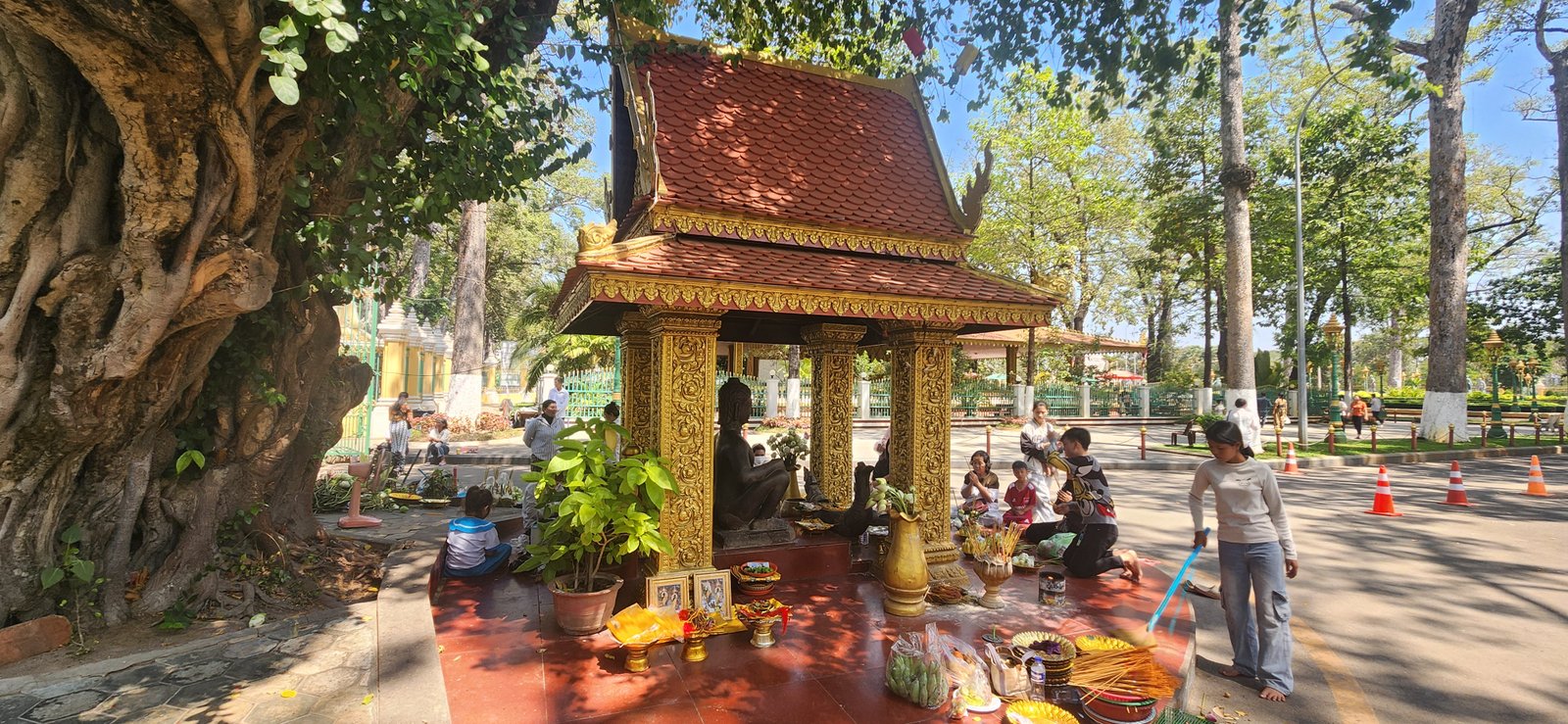
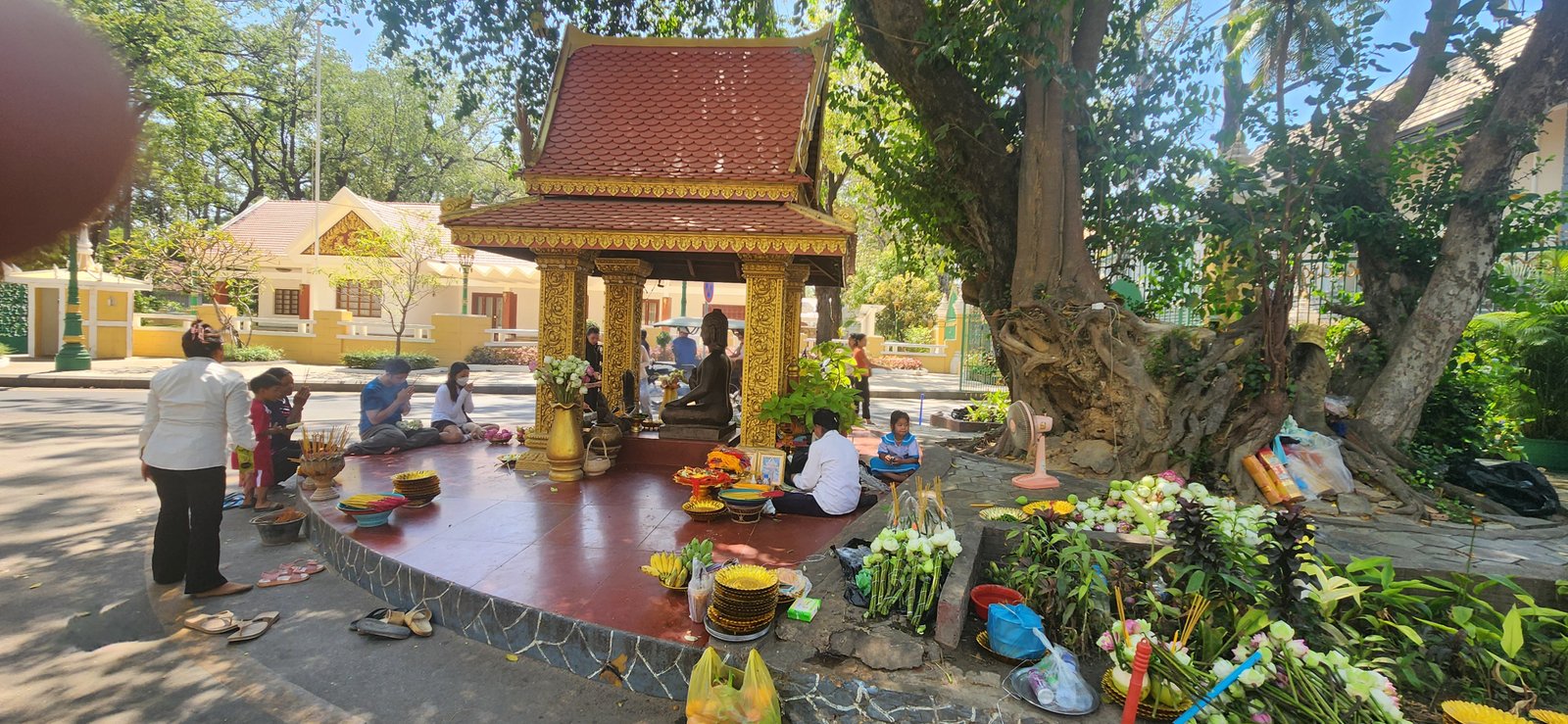
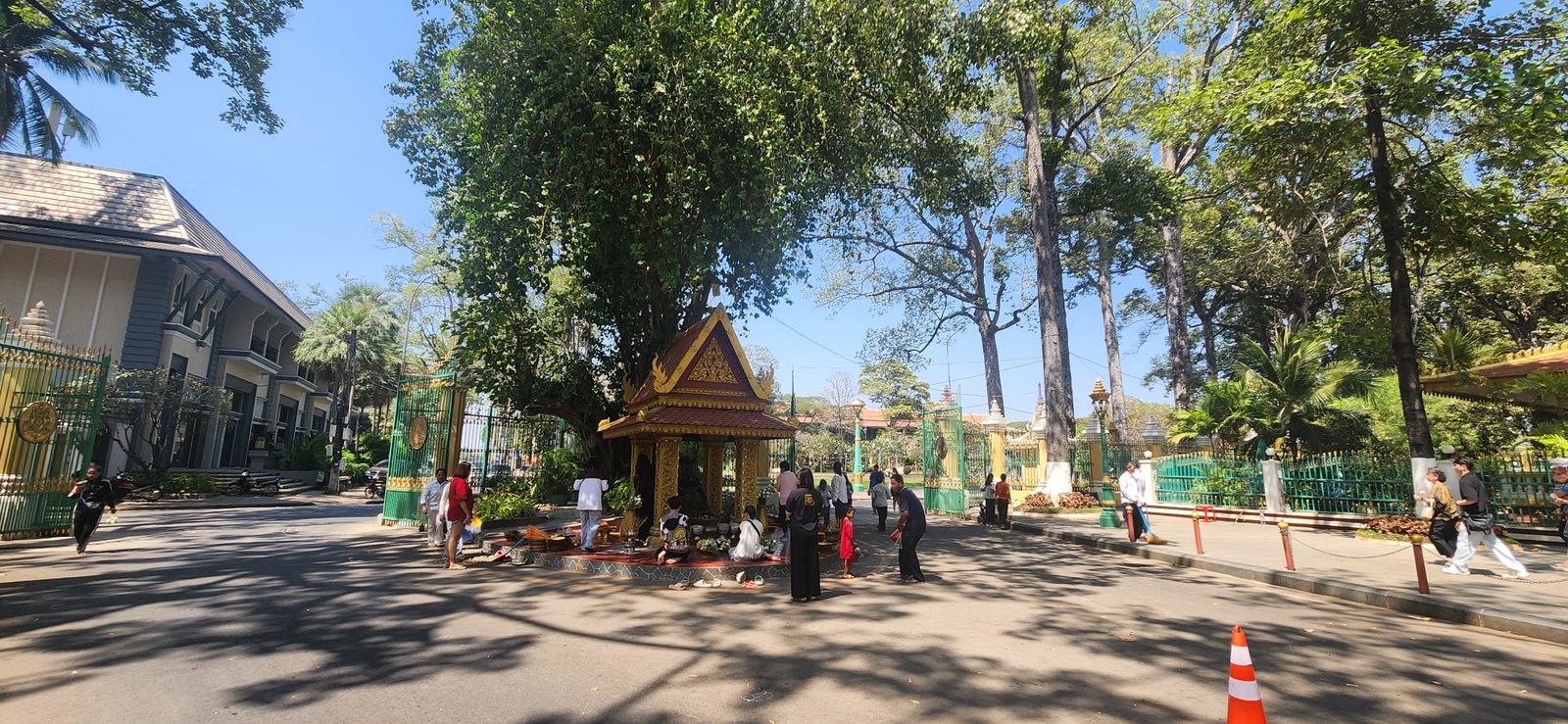
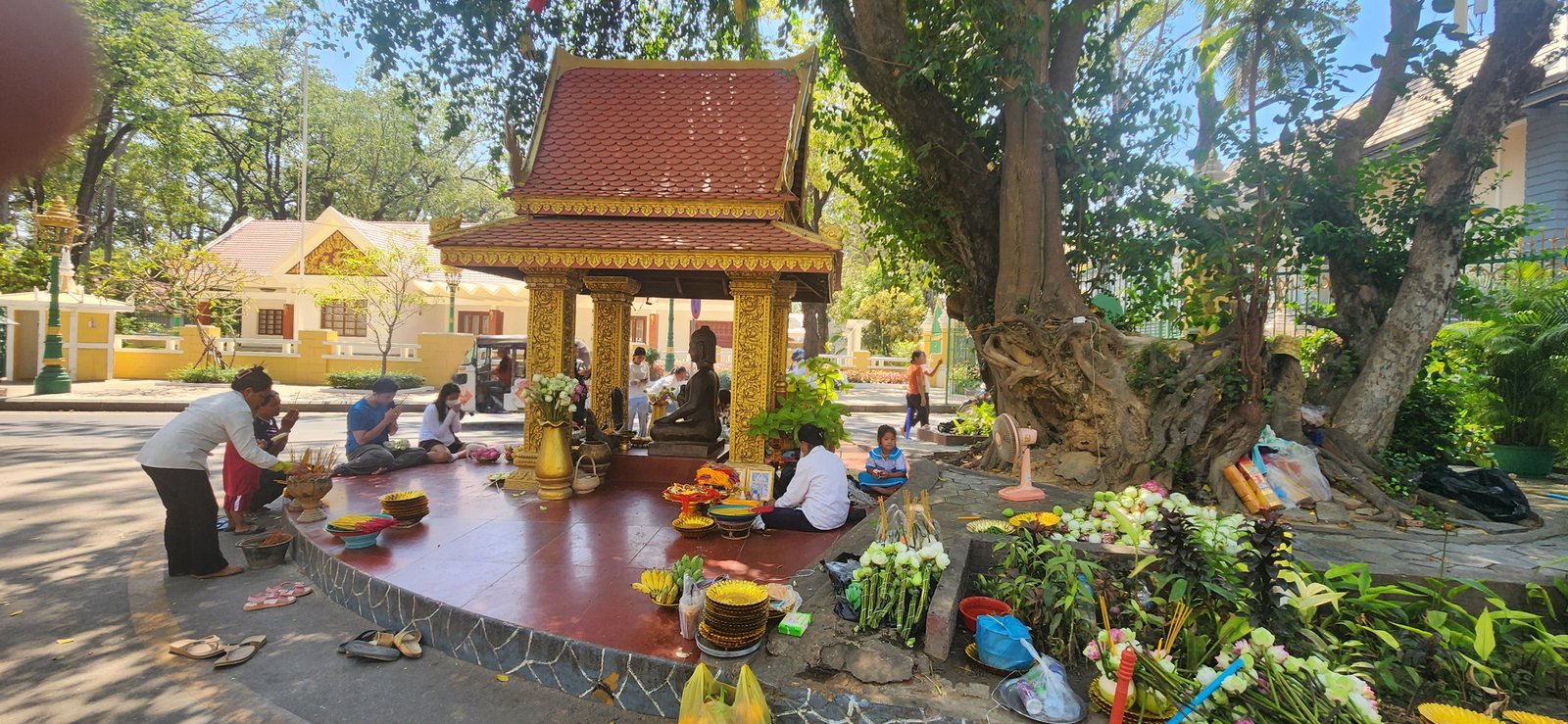
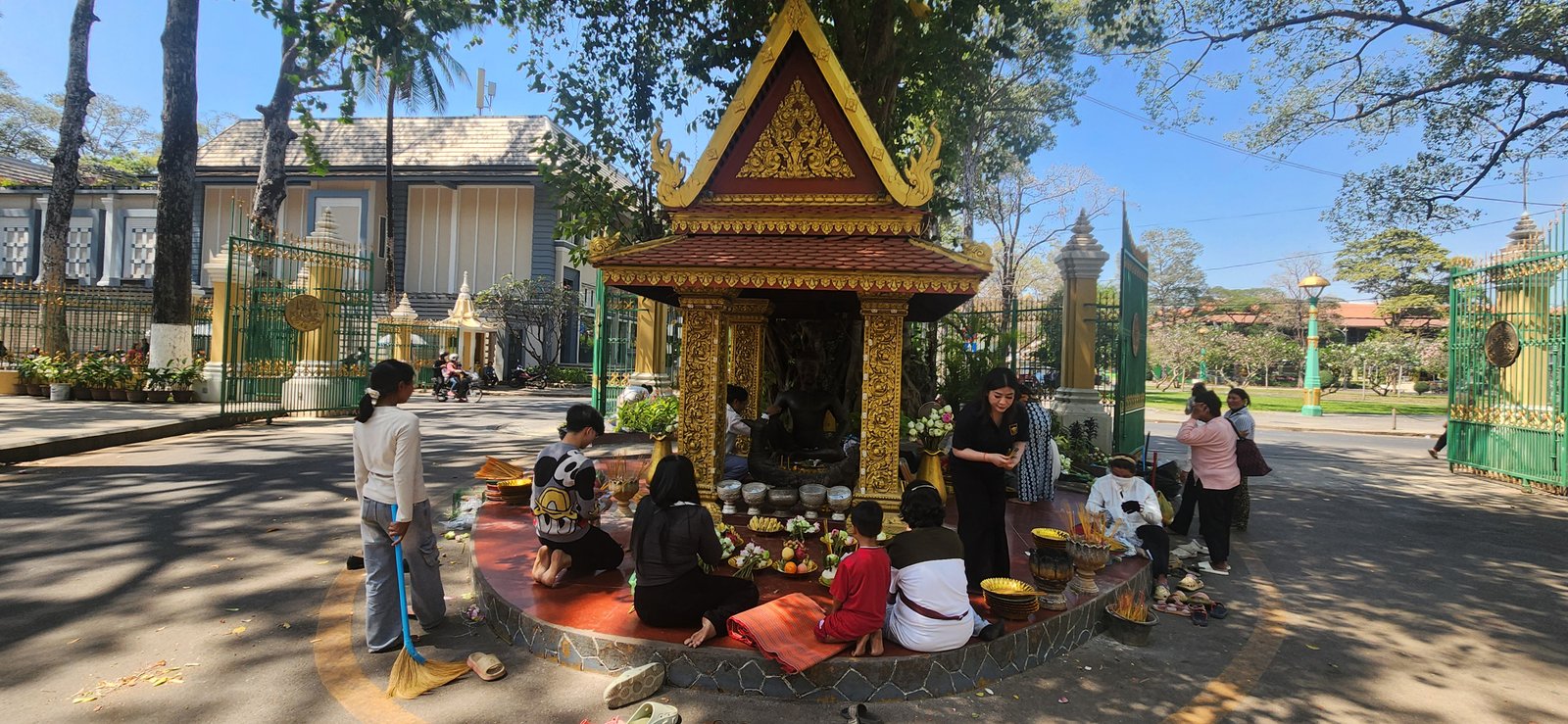
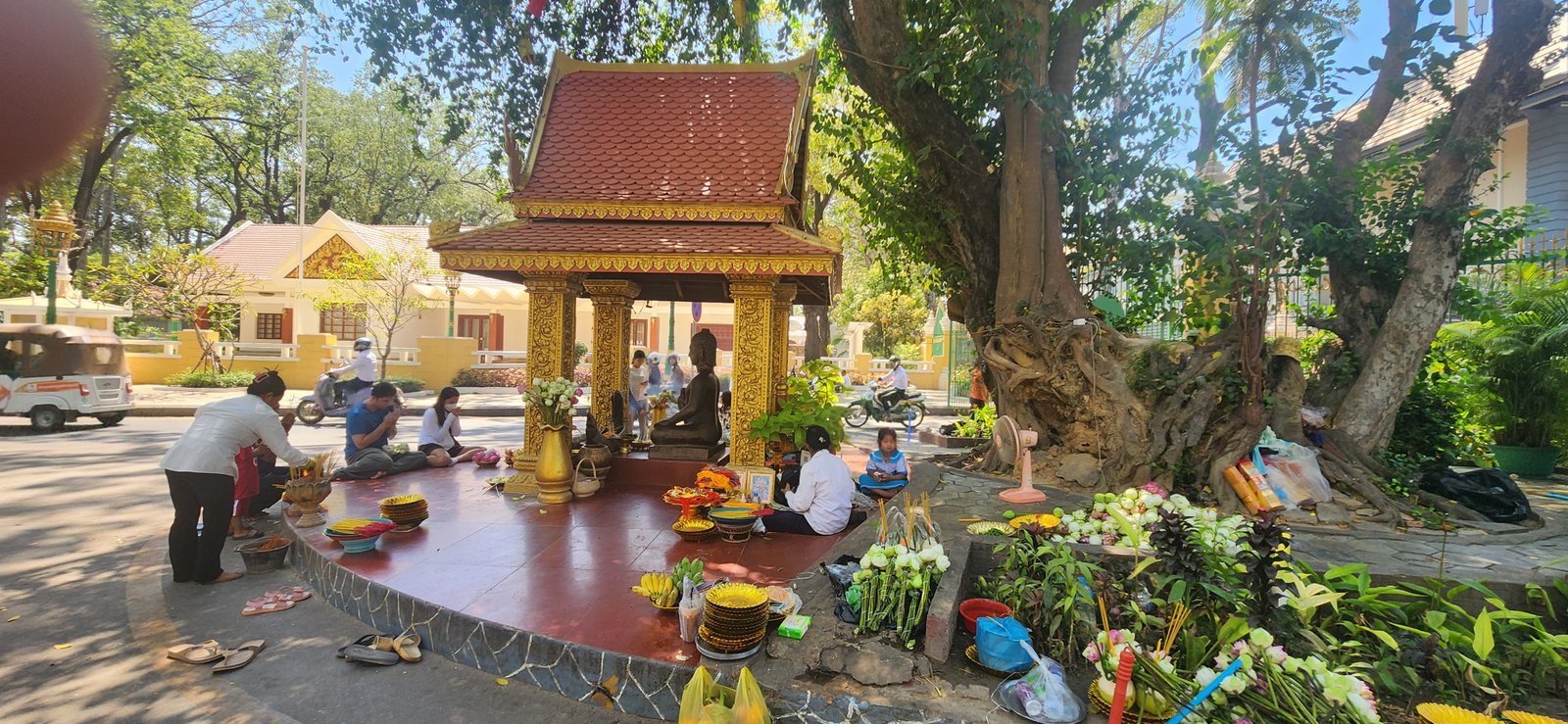
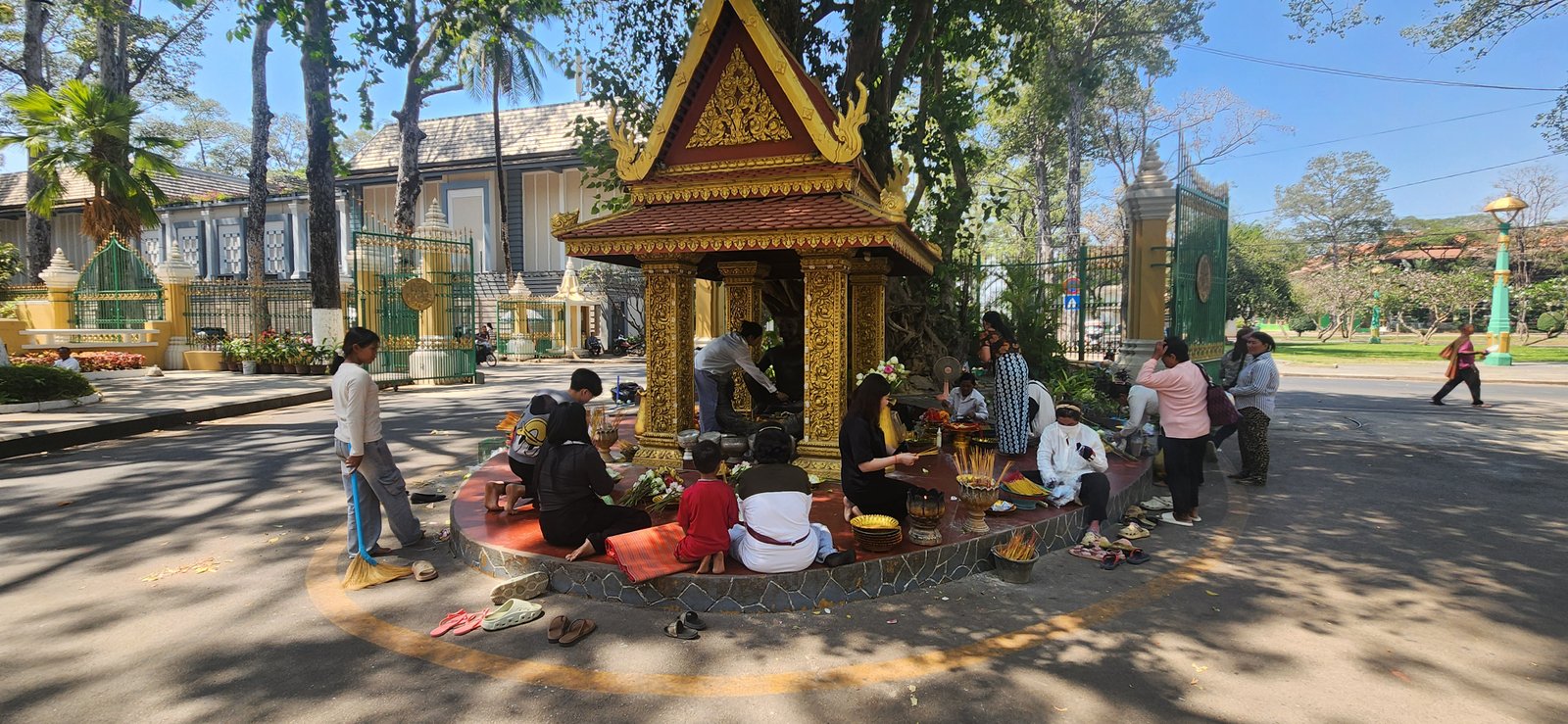
In the heart of Siem Reap, just west of the Royal Residence and across from the Independence Gardens, stands one of the most beloved spiritual sites in all of Cambodia. The Preah Ang Chek Preah Ang Chorm shrine draws hundreds of devotees every single day — locals arriving with lotus flowers, incense, and candles to pray before two ancient bronze statues believed to be guardians of the entire city. On special occasions like Pchum Ben and the Khmer New Year, more than eight hundred people will crowd into this small compound in a single day.
According to the Royal Academy of Cambodia, the statues represent two Angkorian princesses — daughters of Suryavarman II, the builder of Angkor Wat. They are revered as neak ta, guardian spirits who protect the land and its people. The bronze figures were originally housed within Angkor Wat itself, but were lost for centuries after the temple fell into decline. In 1950, Angkor conservation officials rediscovered them in the forest around Angkor Thom.
What followed reads like an adventure novel. General Dap Chhuon, a notorious warlord who controlled Siem Reap in the 1950s, raided the conservation office and seized the statues, believing they held magical protective powers. Described as cadaverously thin with unblinking, deep-set eyes, he kept them at his headquarters — the building that is now the Angkor Century Hotel. When government forces closed in, Dap Chhuon tried to flee toward the Thai border with the statues, but according to local legend, the figures made themselves impossibly heavy and could not be moved. He managed to break five fingers from one statue before abandoning them and fleeing to his farm, where he was cornered and killed in 1959.
The statues were returned to the Provincial Department of Cults and Religious Affairs in a grand ceremony in 1958 and later moved to nearby Wat Damnak as civil war raged through the province. During the Khmer Rouge years, soldiers attempted to destroy them — the official account says the statues were blown up and thrown into the Siem Reap River. But locals tell a different version: the Khmer Rouge tried to remove them, just as Dap Chhuon had, and the statues again became too heavy to lift. Either way, the bronze figures were eventually dredged from the riverbed and the current shrine was built for them in 1982, opposite the Independence Gardens and the Grand Hotel d’Angkor.
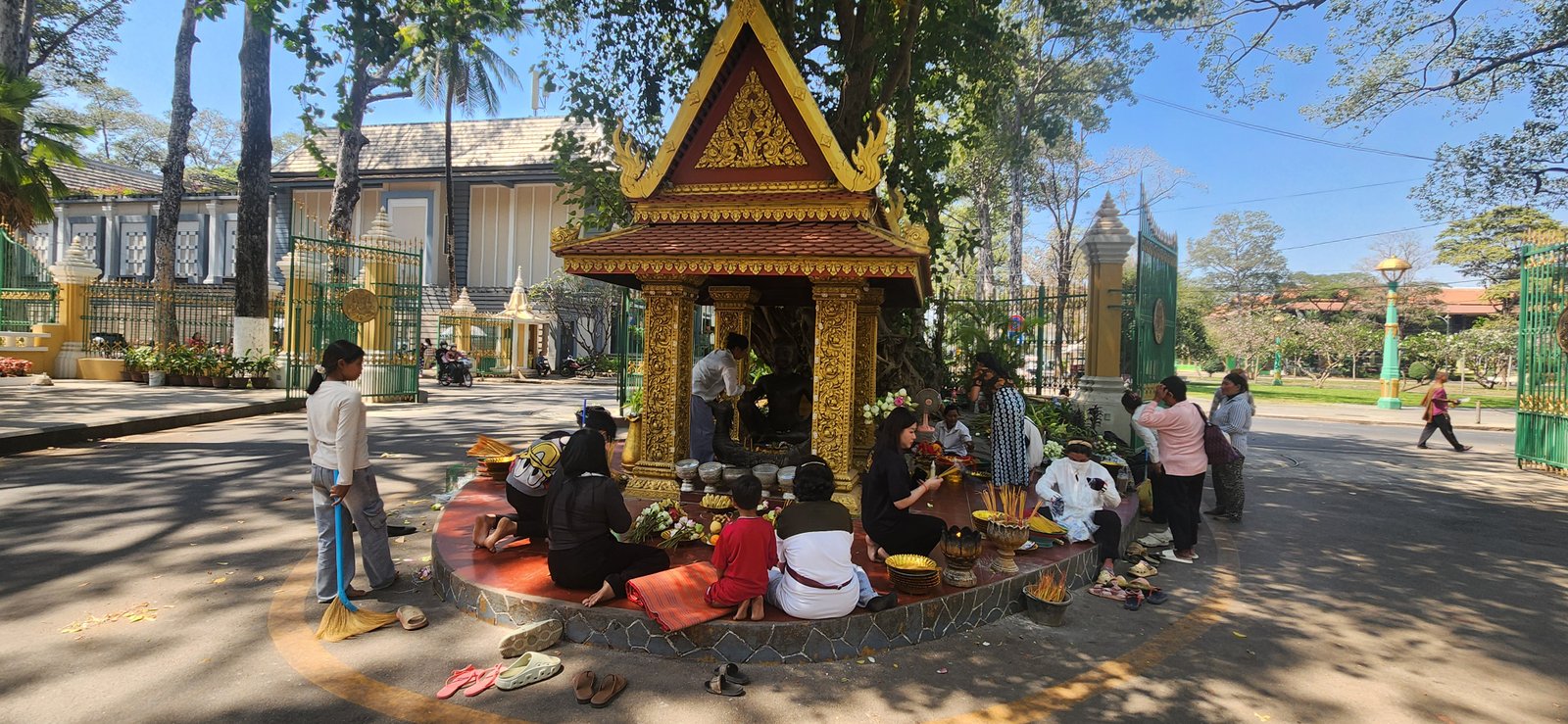
Today the shrine is alive with devotion from morning to night. Worshippers hold three sticks of smoking incense forehead-high and bow, asking that all sentient beings be relieved from suffering. They kneel and prostrate, touching foreheads to the marble floor, while monks flick holy water from wicker brushes. Visitors wash the hands and feet of the statues with small bowls of blessed water. Flower sellers display lotus buds and jasmine garlands. Vendors sell bamboo cages full of songbirds, which devotees purchase and release as acts of merit. Newlyweds come in their wedding clothes to ask for good fortune.
At dusk, the shrine transforms. Thousands of tiny lights strung overhead turn the pavilion into a glittering display. The tall trees of the Royal Gardens are home to a colony of Cambodian flying foxes that take off in spectacular fashion each evening, circling overhead as incense smoke curls through the air and vividly colored spiral discs pulse behind the heads of the deities. There is no entrance fee, and there is no place quite like this anywhere else in Cambodia.