Pchum Ben (Ancestors Festival)
Pchum Ben (Ancestors Festival)
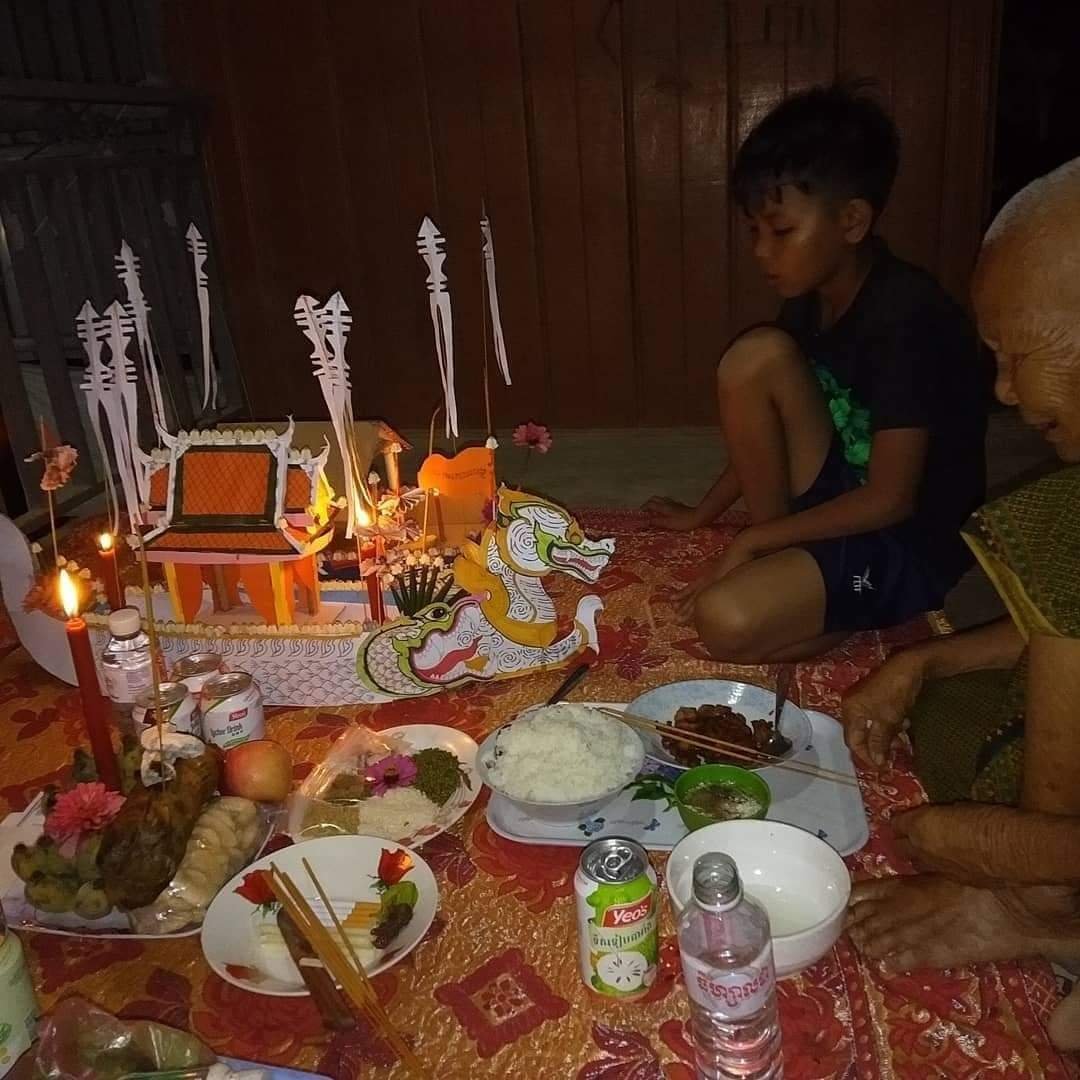
Pchum Ben — ភ្ជុំបិណ្ឌ — is Cambodia’s most important religious festival, and one of the most meaningful events in the entire Khmer calendar. Translated loosely as “Ancestors’ Gathering,” it is a 15-day ceremony during which Cambodians believe the spirits of deceased relatives return to the world of the living. The final three days — the official public holidays — are when families across the country converge on their home pagodas to offer food to their ancestors and seek forgiveness and blessings for the year ahead.
In 2026, the three public holidays fall on Saturday October 10 through Monday October 12, with Pchum Ben Day itself (the final and most sacred day, known as Ben Thom) on October 12. The festival is lunar — observed on the 15th day of the 10th month of the Khmer calendar — which means the Gregorian date shifts every year.
What Happens During Pchum Ben
The 15-day lead-up to the public holidays is called Kan Ben. Each morning before dawn, Cambodians bring sticky rice balls (bay ben) wrapped in banana leaves and offer them at pagodas — the belief being that ancestral spirits are wandering and hungry, and that the offerings prevent them from suffering. Many devout Cambodians visit seven different pagodas over the course of the 15 days.
On the final three public holiday days, the activity intensifies dramatically. Monks chant through the night. Families travel from cities back to their home provinces — roads and buses are packed. At pagodas across Siem Reap province, the courtyards fill with families in white or pale clothing, carrying food offerings of rice, fruit, fish, and sweets. The atmosphere is both solemn and communal — grief and gratitude woven together.
Pchum Ben in Siem Reap Province
Siem Reap is home to hundreds of pagodas (wats), and almost all of them will be active during Pchum Ben. Wat Preah Prom Rath in the city centre is one of the most accessible for visitors — large, well-established, and welcoming. But the most atmospheric experiences are often at smaller pagodas in surrounding villages and districts, where the ceremonies are more intimate and the community connection is palpable.
The floating villages on the Tonle Sap — Chong Kneas, Kompong Phluk, Kompong Khleang — observe Pchum Ben with ceremonies at their water-based temples. The combination of religious observance and the lake’s early-October water levels (still high from monsoon) makes these communities a different kind of window into the festival.
For Visitors: What to Know
Pchum Ben is not a tourist festival — it is a deeply personal religious observance for Cambodian families. Visitors are generally welcome to observe at pagodas, but respectful behaviour is essential: dress modestly (shoulders and knees covered), move quietly, do not photograph ceremonies without permission, and follow the lead of those around you.
Many restaurants, shops, and services in Siem Reap operate on reduced hours or close on Pchum Ben Day itself. Plan ahead. The city is quieter than usual — many local staff travel home to their provinces — but the pagodas are full of life.
If you are in Siem Reap during Pchum Ben, you are present for one of the most significant moments of Cambodian spiritual life. It is a rare opportunity to witness a living tradition of ancestor veneration that has endured through wars, displacement, and the erasure of the Khmer Rouge years — and has come back, stronger, because Cambodians chose to bring it back.